On the night Jesus was arrested, Peter stood warming himself at a charcoal fire in the high priest's courtyard and denied three times that he knew him (John 18:15). Days after the resurrection, on the shore of Galilee, the risen Jesus had another charcoal fire going, with fish cooking for breakfast. There he asked Peter three times whether he loved him, and each time gave him work to do (John 21:9). The Greek word for that kind of fire appears in the New Testament only in those two scenes. The setting of Peter's worst failure became the setting of his restoration.
That is the real question behind this page. Not whether God exists, but whether God could still want someone after what they have done. The Christian answer is yes.
What the Gospels show
The clearest evidence is how Jesus treated people. When friends lowered a paralyzed man through a roof to reach him, Jesus first told him his sins were forgiven. Some teachers of the law objected in their hearts that only God can forgive sins (Mark 2:1). Jesus did not back down. He healed the man to show that his word of forgiveness carried real authority.
At a Pharisee's dinner, he let a woman known in the town as a sinner weep over his feet, then told her that her many sins were forgiven and sent her away in peace (Luke 7:36). In Jericho he invited himself to the home of Zacchaeus, a chief tax collector who had grown rich in a trade notorious for overcharging. That same day Zacchaeus promised to give half of what he owned to the poor and to repay four times over anyone he had cheated (Luke 19:1).
Forgiveness at the worst moments
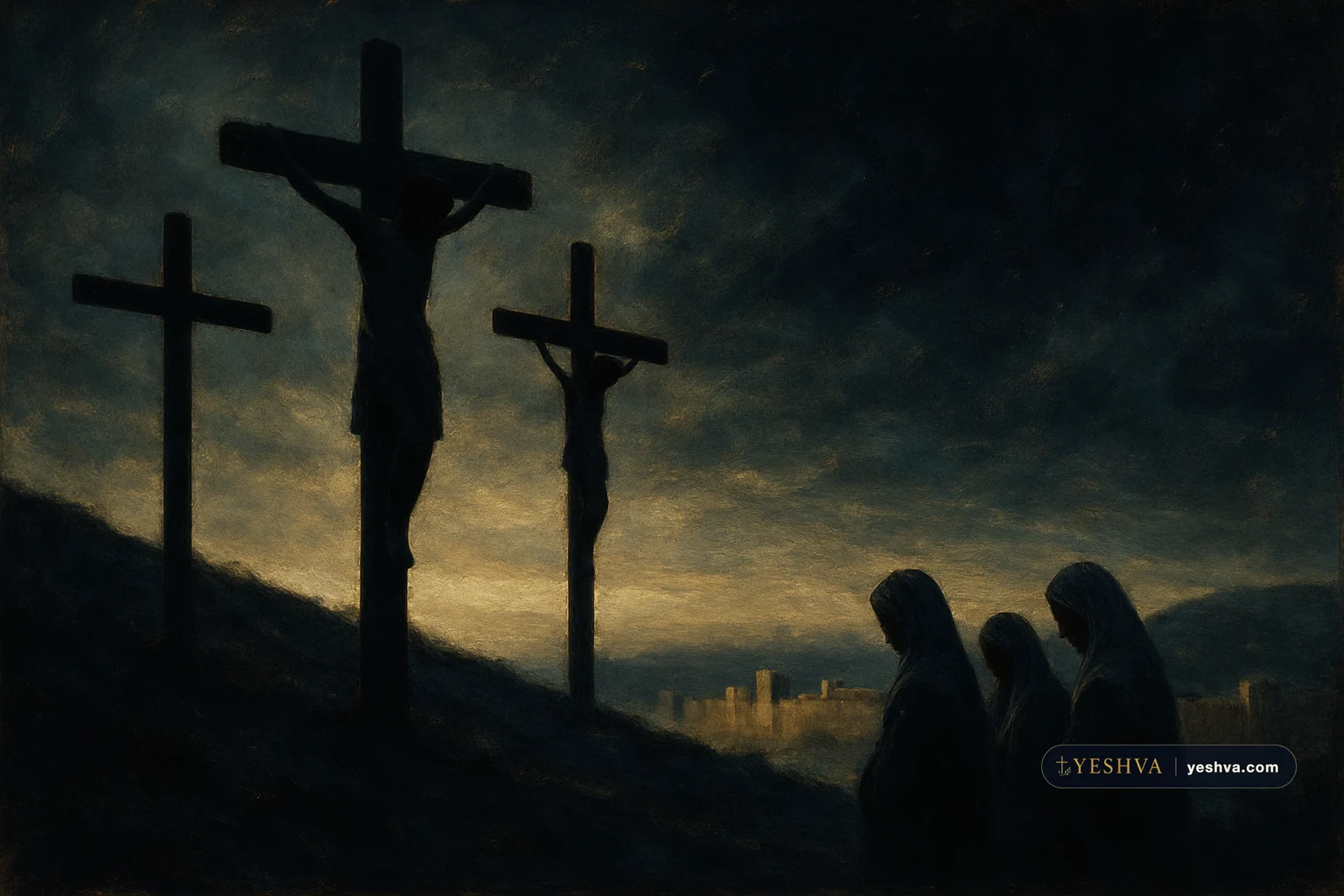
Two scenes stand out because of when they happened. As he was being crucified, Jesus asked the Father to forgive those responsible, because they did not know what they were doing (Luke 23:34). Some of the earliest manuscripts of Luke lack this prayer, and scholars debate whether Luke wrote it, but Christians have treasured it since early times, and Stephen, the first Christian martyr, prayed in the same spirit for the men stoning him (Acts 7:60).
Hours later, a criminal dying beside Jesus asked to be remembered when Jesus came into his kingdom. That man had no time left to make amends, join a congregation or prove anything. Jesus promised him that he would be with him in paradise that very day (Luke 23:39).
Why Christians believe it is possible
Forgiveness is not God pretending that wrong does not matter. Christians believe Jesus can forgive anything because of the cross: he died for people while they were still helpless and far from God, and he carried their sins in his own body, so that mercy could be offered without calling evil good (Romans 5:6, 1 Peter 2:24). If the cost was that high, no sin outweighs what was paid.
Paul had once hunted down Jesus' followers and approved of the killing of Stephen (Acts 8:1). In 1 Timothy, a letter traditionally attributed to him, he puts himself at the top of the list of sinners and says that is exactly why his story matters: if Christ showed such patience to him, no one is beyond reach (1 Timothy 1:12). The Hebrew Scriptures carry the same hope. A psalm says God sets our wrongs as far from us as sunrise is from sunset (Psalms 103:10), and Isaiah pictures deep red stains turned white (Isaiah 1:18).
How is forgiveness received?
The New Testament keeps it simple: turn toward God, which the Bible calls repentance, and trust Jesus (Acts 3:19, Acts 10:43). When we stop pretending and own up to what we have done, God can be relied on to forgive and to wash us clean (1 John 1:8). There is no waiting period and no quota of sorrow to reach first. Churches differ on practices around this, such as confessing to God alone or also to a priest or pastor, but they agree that the forgiveness itself comes from God through Jesus.
What about the unforgivable sin?
Some people are frightened by Jesus' warning that blasphemy against the Holy Spirit will never be forgiven (Mark 3:28; see also Matthew 12:31 and Luke 12:10). Notice the setting. Teachers of the law from Jerusalem had watched Jesus free people from evil spirits and claimed he did it by the power of the devil, and Mark says that is why he spoke. In the same breath, Jesus said that every other sin and slander can be forgiven.
Traditions read the warning in somewhat different ways. Augustine, followed by much Catholic teaching, linked it to final impenitence, refusing God's mercy to the very end; the Catholic Catechism says God's mercy has no limits, but a person who deliberately refuses to accept it by repenting rejects forgiveness. Many Protestant teachers describe it as a hardened, persistent rejection of the Spirit's witness to Jesus, and some tie it closely to those who saw his works firsthand. What these readings share is that it is not a single terrible act, a careless word or a passing doubt. Pastors often add that someone afraid they have committed it is showing the very concern for God that the warning describes as gone.
Forgiven does not mean nothing changes
Forgiveness restores your relationship with God, but it does not automatically undo every consequence. Broken trust can take time to rebuild, and some harm calls for making things right where possible, as Zacchaeus did. If your past involves harm to others or legal matters, speaking honestly with a pastor or counselor, and in some cases with the proper authorities, can be part of living in the light.
It also does not mean you will feel forgiven right away. Shame can linger long after God has let go. That is one reason Christians need each other: to confess to one another and pray for one another (James 5:16), and to remind each other what God has said when feelings say otherwise. If guilt is crushing you or you are thinking of harming yourself, please reach out today to a pastor, a counselor, a doctor or a local crisis line.
If you are wondering whether this includes you
It does. Jesus told a story about a son who wasted his inheritance and came home hoping only to be taken on as a hired worker. His father saw him from far off, ran to him and embraced him before he could finish his speech (Luke 15:11). That is how Jesus described God. You can speak to him in your own words today. The reading plan below walks from shame to freedom one day at a time.