He never wrote a book, never held office and never traveled far from home, and he was executed in his early thirties. Yet more people have followed, argued about and prayed to Jesus of Nazareth than almost anyone who has ever lived. If you have never opened a Bible, this page is a plain starting point, with no pressure and no test at the end.
A man from a small town
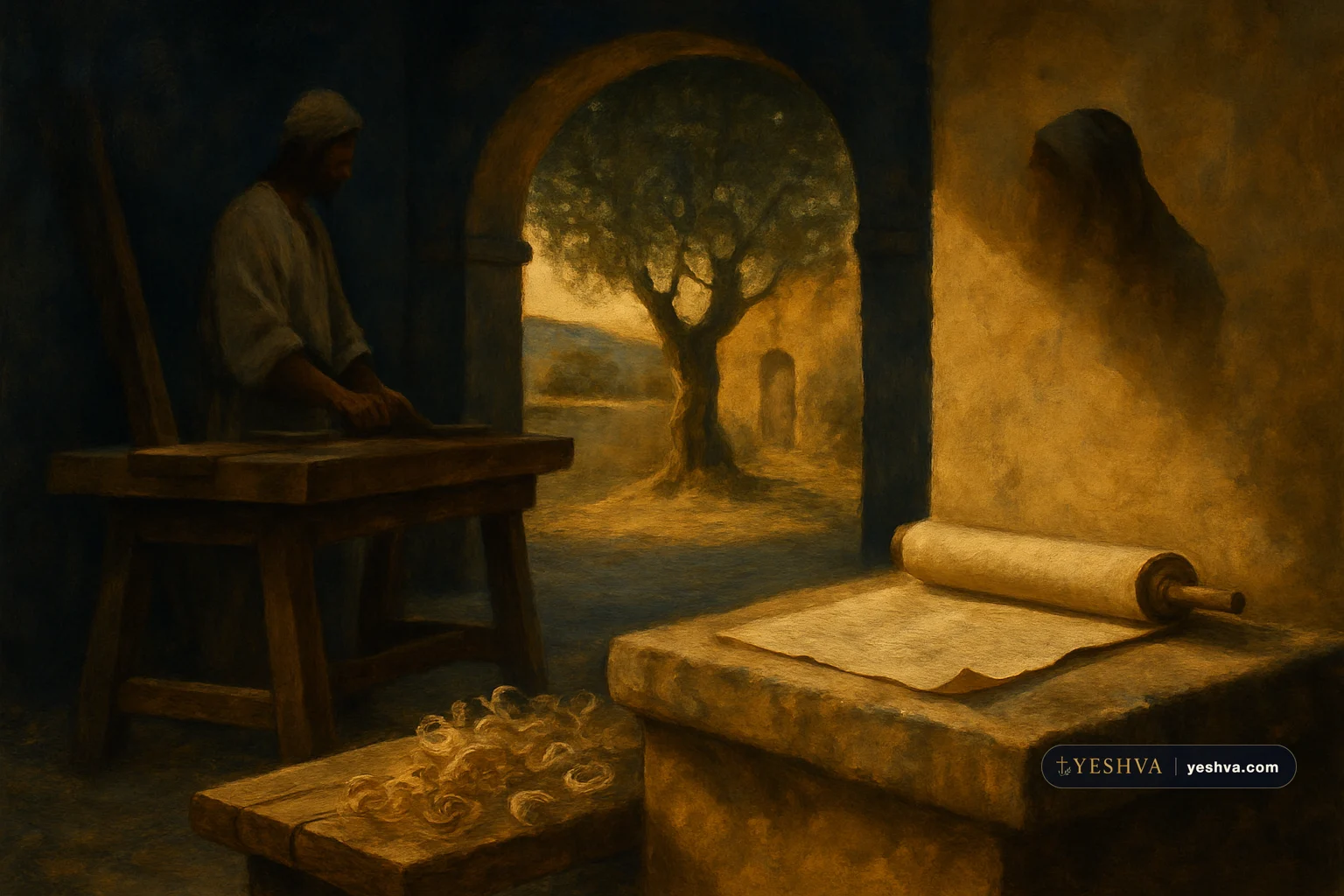
Jesus was born into a Jewish family in the land of Israel, then part of the Roman Empire. He grew up in Nazareth, a small village in Galilee, in the north. His mother was Mary, and Joseph, the man who raised him, was a tektōn, a Greek word for a craftsman who worked in wood or stone Matthew 13:55. Mark's Gospel uses the same word for Jesus himself, so he evidently learned the trade Mark 6:3.
Nothing about his early life looked impressive. He was not born into wealth, power or a famous school of thought. He spoke Aramaic, the everyday language of the region, and he knew the Hebrew Scriptures deeply, the same sacred writings Jewish families read then and now.
A short public life that changed the world
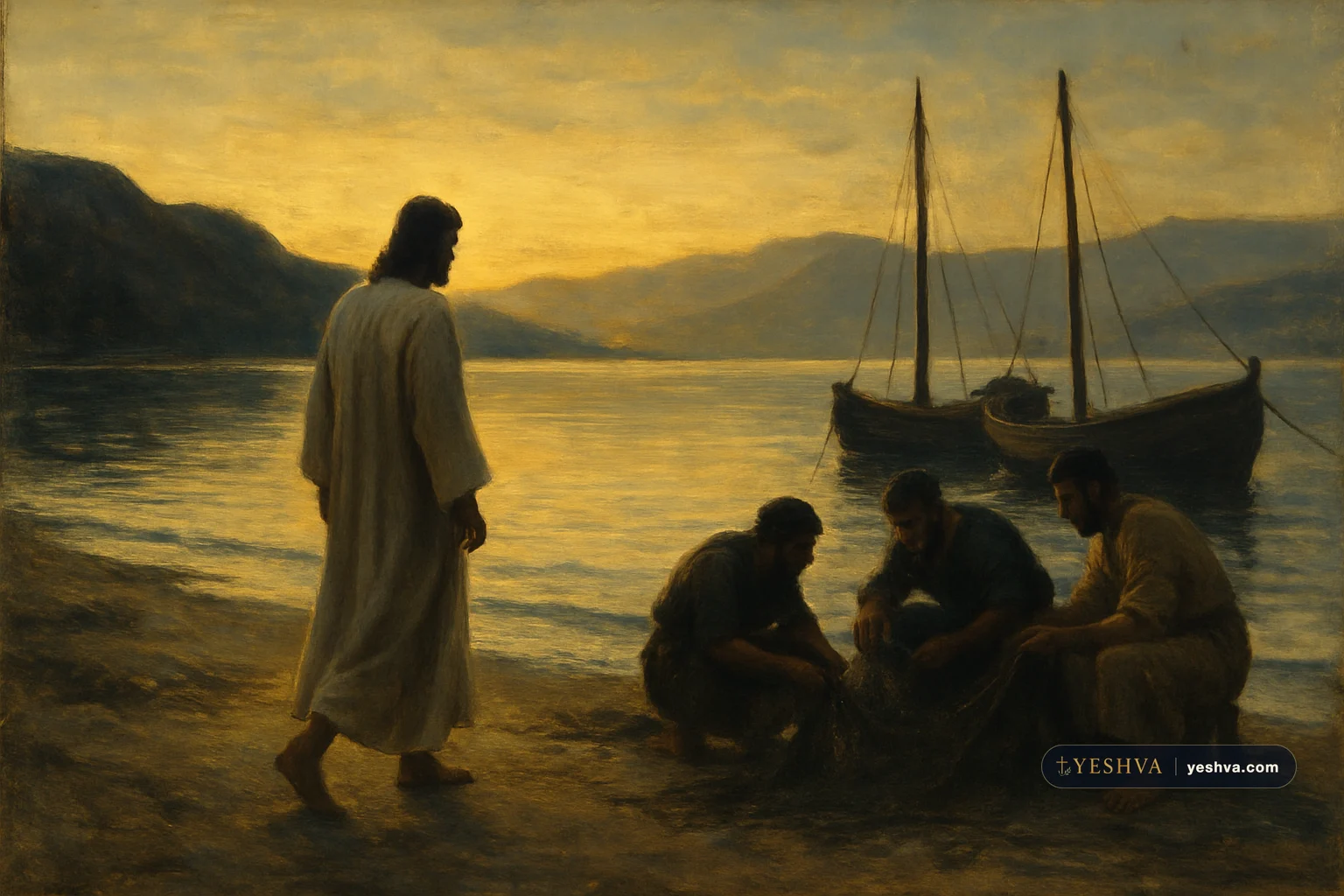
Around the age of thirty Luke 3:23, Jesus began to travel, teach and heal. His public work lasted only a few years; John's Gospel mentions three Passover festivals, which is why people often speak of three. Crowds gathered on hillsides and beside the Sea of Galilee to hear him. He chose twelve close followers, the disciples, and he also welcomed women, tax collectors, fishermen and people others avoided.
He taught about God as a loving Father, about forgiveness and humility, and above all about the kingdom of God: God's rule breaking into the world, starting as small as a seed and growing past anyone's expectations Mark 4:30. He often told short stories, called parables, to make big ideas easy to picture. Those who saw him reported that he healed the sick, calmed fear and treated the overlooked with real dignity. You can read a portrait of this in Luke 4:16 and Mark 1:14.
His message stirred both love and opposition. Some leaders felt threatened by his popularity and his claims. Others simply could not make sense of a teacher who spoke about God with such closeness and authority.
His death and what followed
Jesus was arrested in Jerusalem and sentenced to death by crucifixion under the Roman governor Pontius Pilate. Crucifixion was a public, brutal punishment used by Rome. His followers were devastated and afraid.
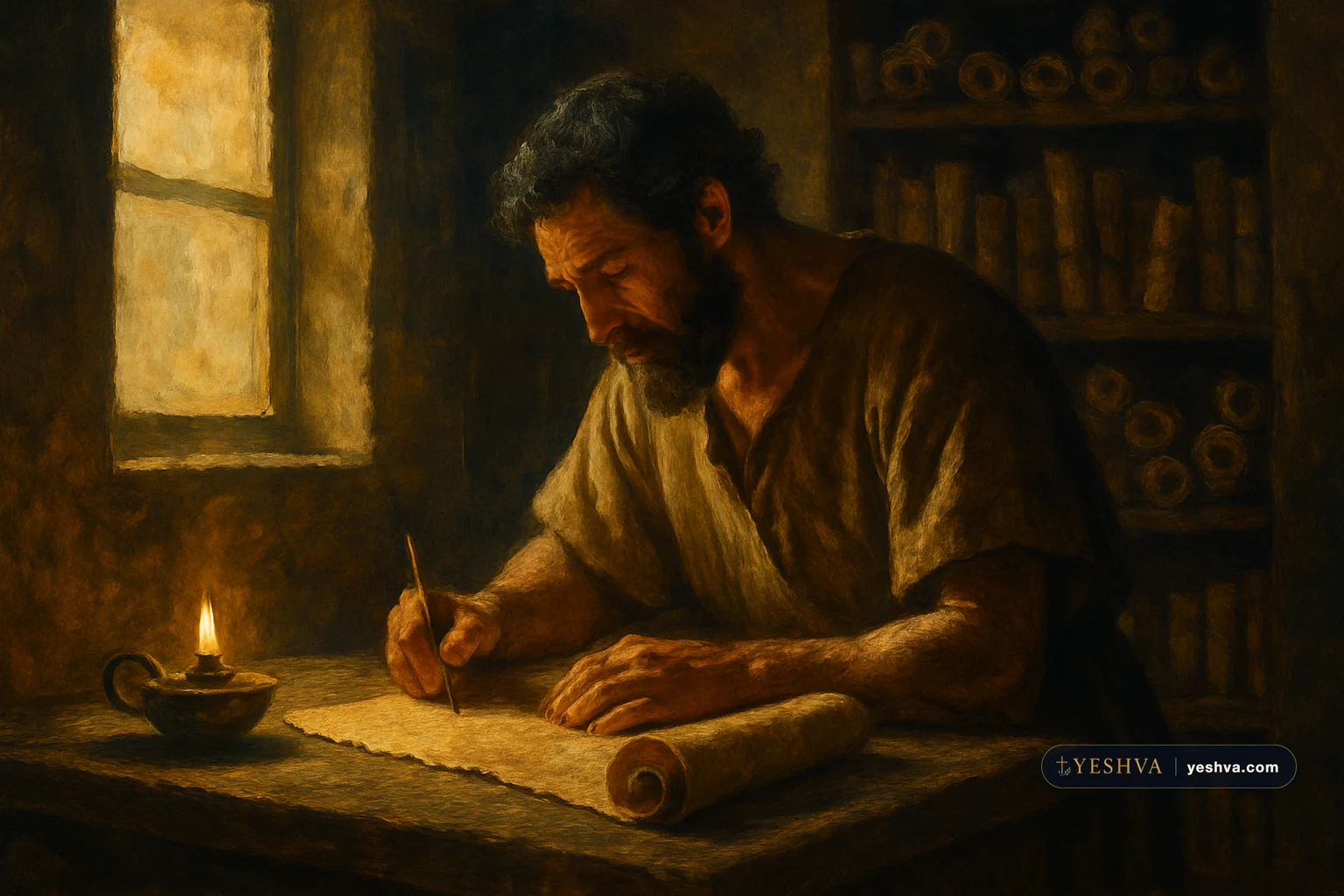
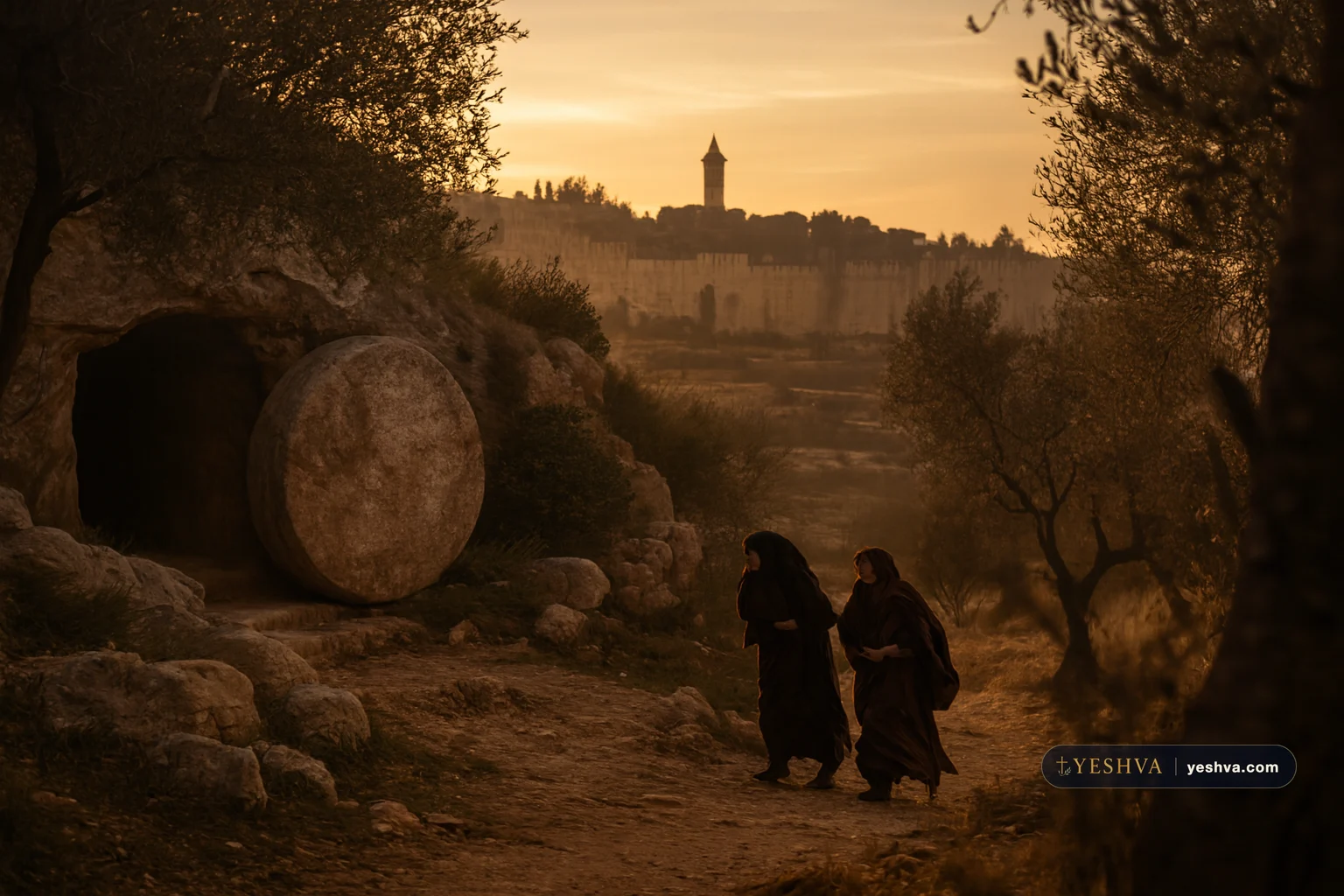
Then the story took a turn no one expected. The earliest Christians said that Jesus rose from the dead and appeared to many of them. They were so certain of it that they began telling others, even when it cost them dearly. Within a few decades, communities of his followers were meeting all around the Mediterranean. The four accounts of his life, the Gospels of Matthew, Mark, Luke and John, were written within living memory of those events, most likely between about AD 65 and 100. Christian tradition links each to an apostle or a close companion of the apostles, and many scholars agree they draw on eyewitness memory, though views on authorship vary.
Was he only a teacher?
Many people admire Jesus as a wise moral teacher, and that is a fine place to begin. But the Gospels do not leave it there. They record him forgiving sins, speaking of himself as the way to the Father, and accepting worship. Christians through the centuries have concluded that Jesus is both fully human and fully God, the Son who became one of us. We look at that more closely on our page about whether Jesus is God.
That is why the church calls him not just Jesus but Jesus Christ. Christ is not a last name. It is a title meaning the promised Messiah, the anointed one God had been preparing his people to expect. One such promise, Isaiah's portrait of a servant who suffers for others Isaiah 53:1, is the very passage an early believer explains as being about Jesus in Acts 8:30.
Why he still matters
Jesus has shaped art, music, hospitals, schools and the way many cultures think about kindness and human worth. But for those who follow him, he matters for a more personal reason. They say they have met him, and that knowing him has brought peace, forgiveness and a new start.
That is an invitation, not a demand. Nobody can be argued or pushed into faith, and honest doubt is welcome. Many people in the Bible itself started with questions. A good way to begin is simply to read one of the Gospels for yourself. John is a popular first choice, and John 1:1 is a good opening. You can also try Mark, the shortest and fastest-moving account.
Where Christians differ
Christians across the world agree on the essentials about Jesus: that he lived, died, rose again and is Lord. Differences show up in how churches worship, how they organize themselves and how they understand certain details. Those differences are real, but they sit inside a shared faith in the same Jesus.
Where to go next
If you would like to keep exploring, a natural next step is the meaning of his name, and then the historical question of how we know he existed. Take your time. The story has waited two thousand years, and it will still be here tomorrow.