The claim at the center
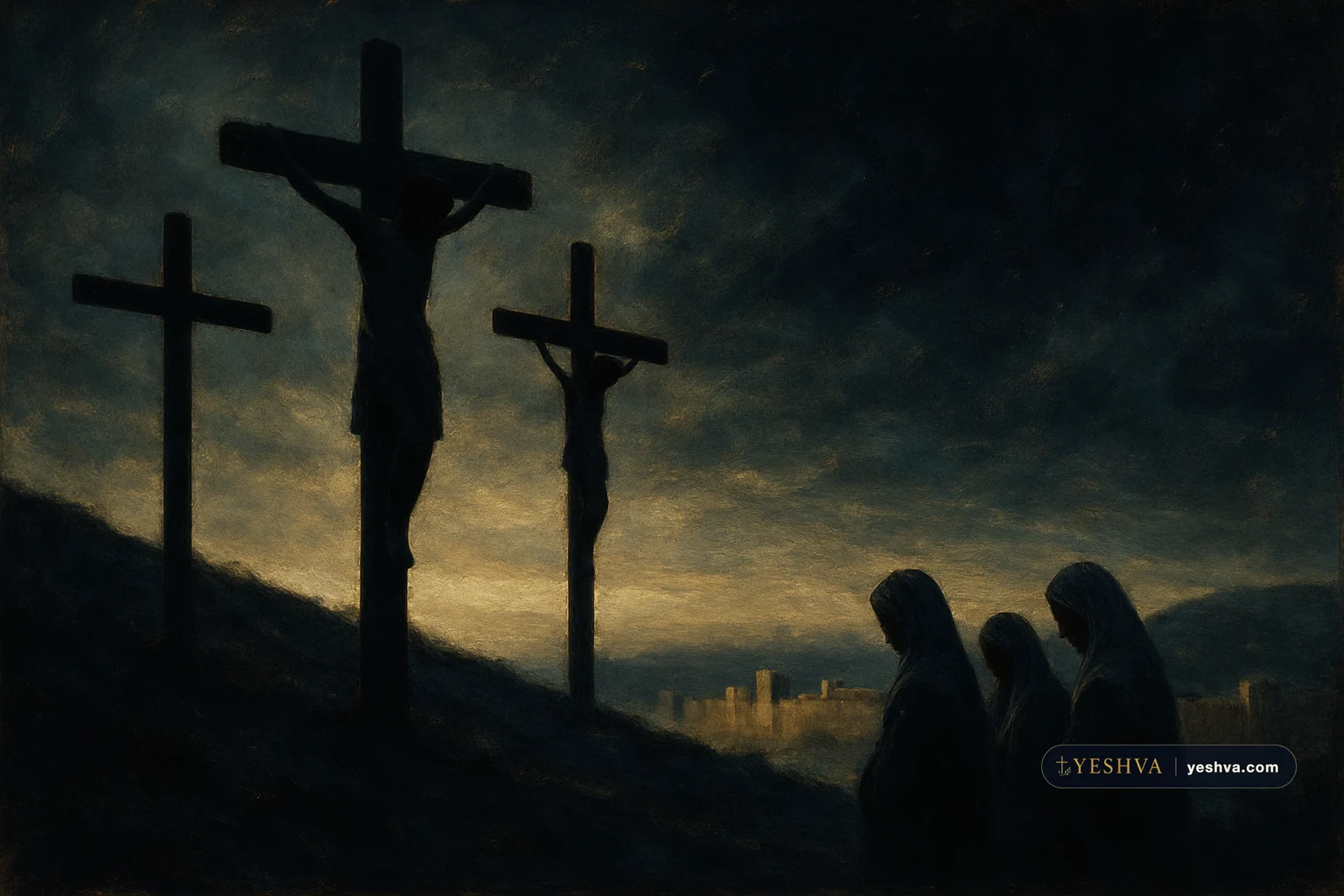
Christianity makes a claim that is easy to state and hard to shrug off. Jesus of Nazareth was executed by Roman crucifixion, and on the third day God raised him from the dead. Not a ghost, not a metaphor for hope, but a living person his friends could see, touch and eat with.
All four Gospels tell the story (Matthew 28:1, Mark 16:1, Luke 24:1, John 20:1), and they do not read like tidy copies of one another. The details vary the way eyewitness accounts often do. What they share is the core: the tomb was found empty, and Jesus was later met alive.
What most historians agree on
Very little in ancient history is proven beyond argument, so it helps to start where nearly all scholars, believers or not, tend to agree. Jesus was crucified under the Roman governor Pontius Pilate; even the Roman historian Tacitus mentions it. His followers were devastated and afraid afterward. And soon they were proclaiming, publicly and at real cost, that he was alive. E. P. Sanders, a leading historian of Jesus who wrote as a scholar rather than a preacher, judged it a fact that the disciples had experiences of the risen Jesus, while saying he did not know what reality lay behind them.
Something happened that turned frightened people into witnesses. Many of them were later persecuted, and according to early Christian tradition several were killed for their message. People will die for a belief they hold sincerely, but it is harder to explain why they would stake everything on a story they knew they had invented.
The earliest testimony
The oldest written summary of the resurrection is not in a Gospel. It is a short passage in a letter from Paul, written about two decades after the crucifixion (1 Corinthians 15:3). Paul says he is passing on what was handed to him, which means the report is older still, likely from within a few years of the events.
That passage lists people who saw Jesus alive, including Peter, the twelve, James, and a group of more than five hundred, most of whom Paul says were still living. In effect he was inviting readers to go and ask them.
The empty tomb and the women
In all four Gospels, women are the first to find the tomb empty. In that world a woman's testimony carried little weight; the first-century Jewish historian Josephus even records a rule that women should not serve as witnesses in court. Anyone inventing a story to persuade skeptics would have chosen differently. Many historians see it as a sign that the writers simply reported what was remembered.
The early opponents of the Christians did not say the tomb still held a body. They argued about why it was empty, and the Gospels themselves record one such explanation (Matthew 28:11).
Two surprising converts
Two skeptics changed course. Paul was a determined opponent of the first Christians until he says he encountered the risen Jesus (Acts 9:1). And James, Jesus' own brother, who did not believe in him during his ministry (John 7:5), is named among those the risen Jesus appeared to (1 Corinthians 15:7) and later became a leader of the church in Jerusalem (Galatians 2:9).
What people say instead
People with honest doubts have offered other explanations: the disciples stole the body, Jesus did not really die, the followers experienced visions, or the story grew slowly as a legend. Each has been discussed for centuries, and each has its own difficulties, such as the speed at which the belief appeared, or the brutal efficiency of Roman executions.
Thoughtful people still land in different places. A historian can lay out the evidence, but at some point the question becomes whether one thinks a miracle is possible. If God exists, raising someone from the dead is not out of reach. If one is sure nothing beyond nature exists, no evidence will feel like enough. Noticing which of those starting points you bring is part of being fair to yourself and to the evidence.
Resurrection is not resuscitation
Christian teaching does not say Jesus merely woke up and returned to his old life. The Gospels describe someone who was truly bodily, able to eat, yet also different, sometimes not recognized at first, no longer subject to death (Luke 24:13, John 20:19). Paul describes the resurrection body as one that can no longer decay (1 Corinthians 15:35).
Why it matters
If Jesus rose, it says something about who he is. Paul opens his letter to the Romans by saying the resurrection marked Jesus out as the Son of God (Romans 1:1). It also says something about us: that death is not the last word, and that the hope of new life is not wishful thinking (1 Corinthians 15:12).
It also means Jesus is not only a figure from the past. Christians believe he is alive now, which is why they pray to him and speak of knowing him rather than just knowing about him.
An invitation, not a demand
You do not have to settle this today. Many people who now follow Jesus began as skeptics and took months or years. A good next step is to read one of the accounts slowly, such as the last two chapters of John, and ask yourself what you make of it. Questions are welcome here.