In 9 BC the cities of the Roman province of Asia carved a decree in stone, found centuries later at Priene in modern Turkey, declaring that the birthday of the emperor Augustus had been the beginning of "good news" for the world. The Greek word was euangelion, the same one the first Christians chose for their message. In English it became "gospel," and today it also names a style of music and the first four books of the New Testament. At its root it simply means good news. When Christians talk about the gospel, they mean one particular piece of good news, the announcement at the center of their faith: that God has come near in Jesus, and that through his life, death and resurrection anyone can be forgiven and brought home.
An announcement, not an advice column
The earliest Christians did not present their message as a set of tips for better living. They presented it as news, something that had happened. Mark's Gospel opens by calling itself the beginning of the good news about Jesus (Mark 1:1), and the first thing Jesus does in public is announce that the waiting is over: God's kingdom is arriving, so people should turn around and put their trust in this news (Mark 1:14).
That difference matters. Advice tells you what to do so that something good might happen. News tells you that something good already has. The gospel certainly changes how people live, but it begins with what God has done, not with what we must achieve.
The shortest summary in the Bible
About twenty years after Jesus' death, Paul reminded the church in Corinth of the message he had passed on to them, describing it as something he himself had received. In a few lines he names the core: Christ died for our sins, as the Scriptures had said; he was buried; he was raised on the third day; and he appeared to Peter, to the Twelve, to more than five hundred people at once and finally to Paul himself (1 Corinthians 15:1). Many historians consider this one of the oldest pieces of Christian tradition we have, probably taught within a few years of the events.
Notice how concrete it is. It names a death, a burial, a resurrection and witnesses. The gospel is anchored in history, in things that happened to a real person in a real place.
Why it is good news: the problem it answers
Good news only sounds good when you know what it answers. The Bible is honest that something is wrong with the world and with us. We hurt others, we hurt ourselves, and we drift from the God who made us. Paul sums it up bluntly: everyone has fallen short (Romans 3:23). Most people do not need to be convinced of this; they feel it in guilt they cannot shake, in relationships that break, in a sense that life is not what it was meant to be.
The gospel does not start by scolding. It starts with God's love. John's Gospel traces everything back to God's love for the world: the Father gave his own Son so that anyone who trusts him can have life that lasts forever instead of being lost, and he sent the Son to rescue the world, not to condemn it (John 3:16).
What God has done in Jesus
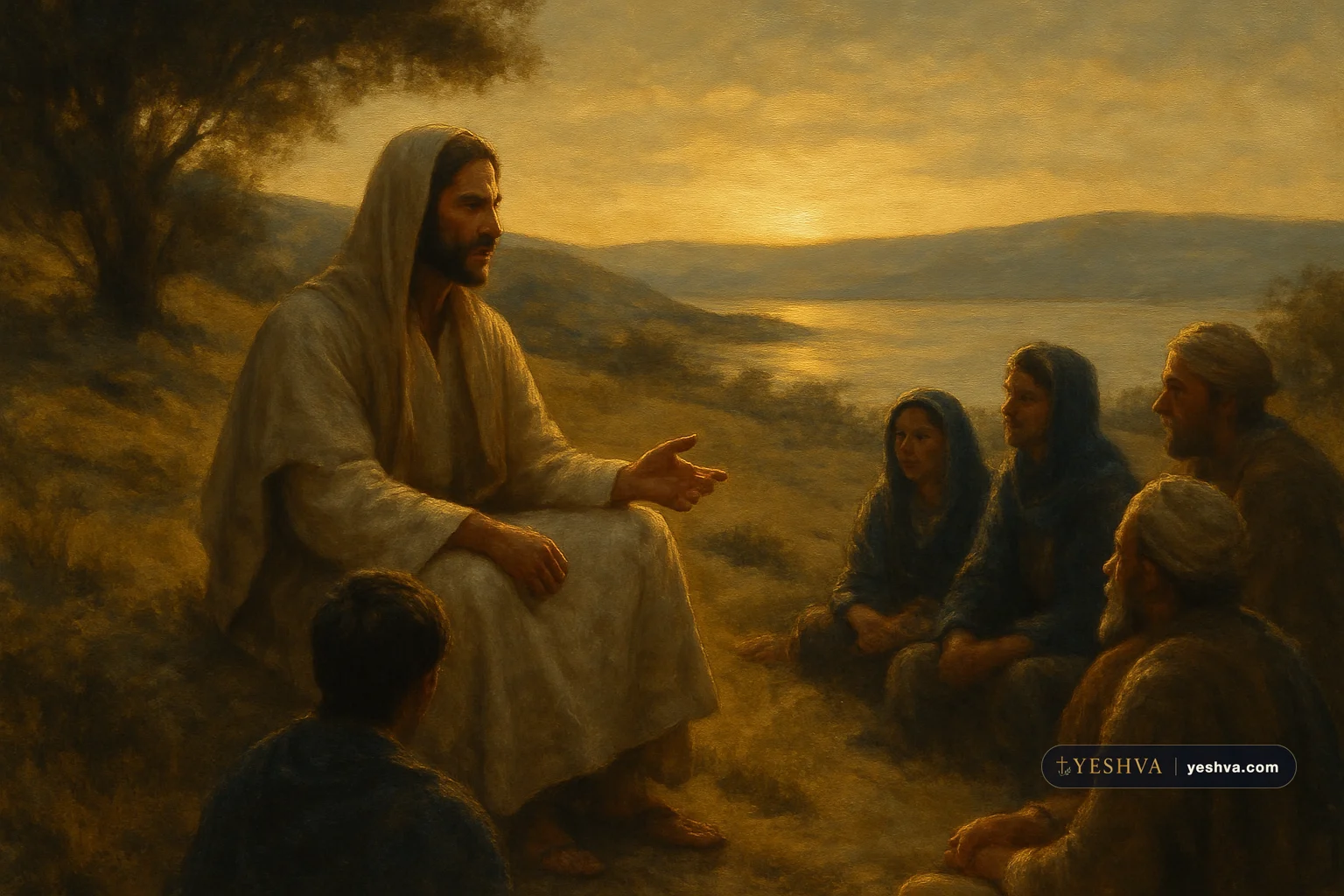
The gospel is the story of how God answered the problem himself. In Jesus, God became one of us. Jesus lived the life we were meant to live, healed and welcomed people, and taught about God's kingdom. Then he gave his life. He said his mission was not to have others wait on him but to serve them, even to the point of handing over his life to set many free (Mark 10:45).
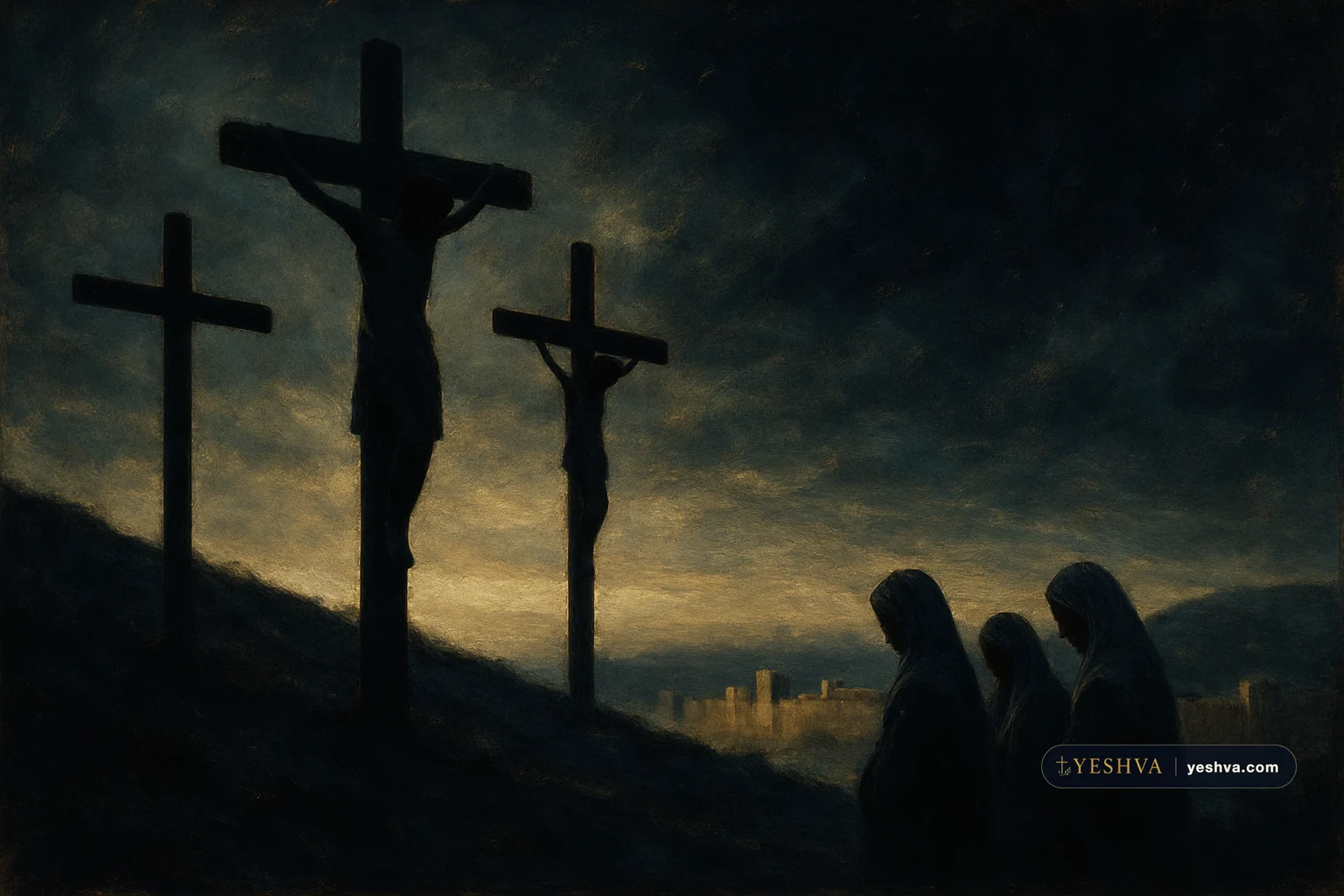
Christians believe that on the cross Jesus carried the weight of human wrongdoing, and that his resurrection on the third day showed that sin and death did not have the last word. Paul points to the timing as the proof of God's love: Christ died for us before we had turned back to God at all (Romans 5:8). He also describes the result as reconciliation, a broken relationship put right, with God making the first move (2 Corinthians 5:17).
Christians describe the cross in several complementary ways: a debt paid, a victory over evil, a sacrifice, a rescue, a healing. Traditions emphasize different pictures, but they share the conviction that Jesus did for us what we could not do for ourselves.
Good news for the whole world
The gospel is personal, but it is not small. Jesus spoke of the kingdom of God, God's good rule breaking into the world. In his hometown synagogue he read from the prophet Isaiah about good news for the poor, freedom for captives and sight for the blind, and said that this was being fulfilled that day (Luke 4:16). The Bible's story ends with God promising to renew everything he made and to put an end to grief, pain and death (Revelation 21:4).
So the gospel is about forgiveness, and also about hope: a new beginning for people and, one day, for all creation.
How do people respond?
If the gospel is news, the response is to believe it and let it change the direction of your life. Jesus called this repenting and believing (Mark 1:15). On the first Pentecost, when people asked Peter what they should do, he told them to turn to God, be baptized in the name of Jesus and receive forgiveness and the gift of the Holy Spirit (Acts 2:37). Paul put it simply: saying openly that Jesus is Lord, and trusting in your heart that God raised him from the dead, is the way into salvation (Romans 10:9).
Christians differ on some details, such as how baptism relates to that first step of faith or how much of a person's response is itself God's work. What they share is the conviction that salvation is a gift received by trust, not a wage earned by effort (Ephesians 2:8).
Is it really that simple?
In one sense, yes. Paul said he had no embarrassment about this message, because through it God's power rescues anyone who trusts him (Romans 1:16). Children understand it. People at the end of their lives have understood it in a single conversation.
In another sense, it takes a lifetime to explore. The good news reshapes how you see yourself, how you treat others, how you face suffering and death. Many Christians say they understand it more deeply the longer they follow Jesus.
If this is new to you, there is no pressure to decide anything today. You might start by reading one of the four Gospels, Mark is the shortest, and asking honestly whether the Jesus you meet there is who he said he was.